Film vs Digital Wedding Photography — What Couples Should Know
If you’ve been scrolling through wedding photos lately and thinking, “Why does this feel so different from the photos my parents have?” — you’re not imagining it.
Film wedding photography has made a huge comeback, but digital photography is still the industry standard. So what’s the real difference? And more importantly… which one is right for you?
This guide breaks it all down in a calm, honest, no-pressure way — so you can choose what feels aligned with your vision, your priorities, and your story.
What Is Film Wedding Photography?
Film photography uses actual rolls of film (yes, like the kind you can hold in your hands!) instead of a digital sensor. Each frame is intentional, limited, and carefully exposed.
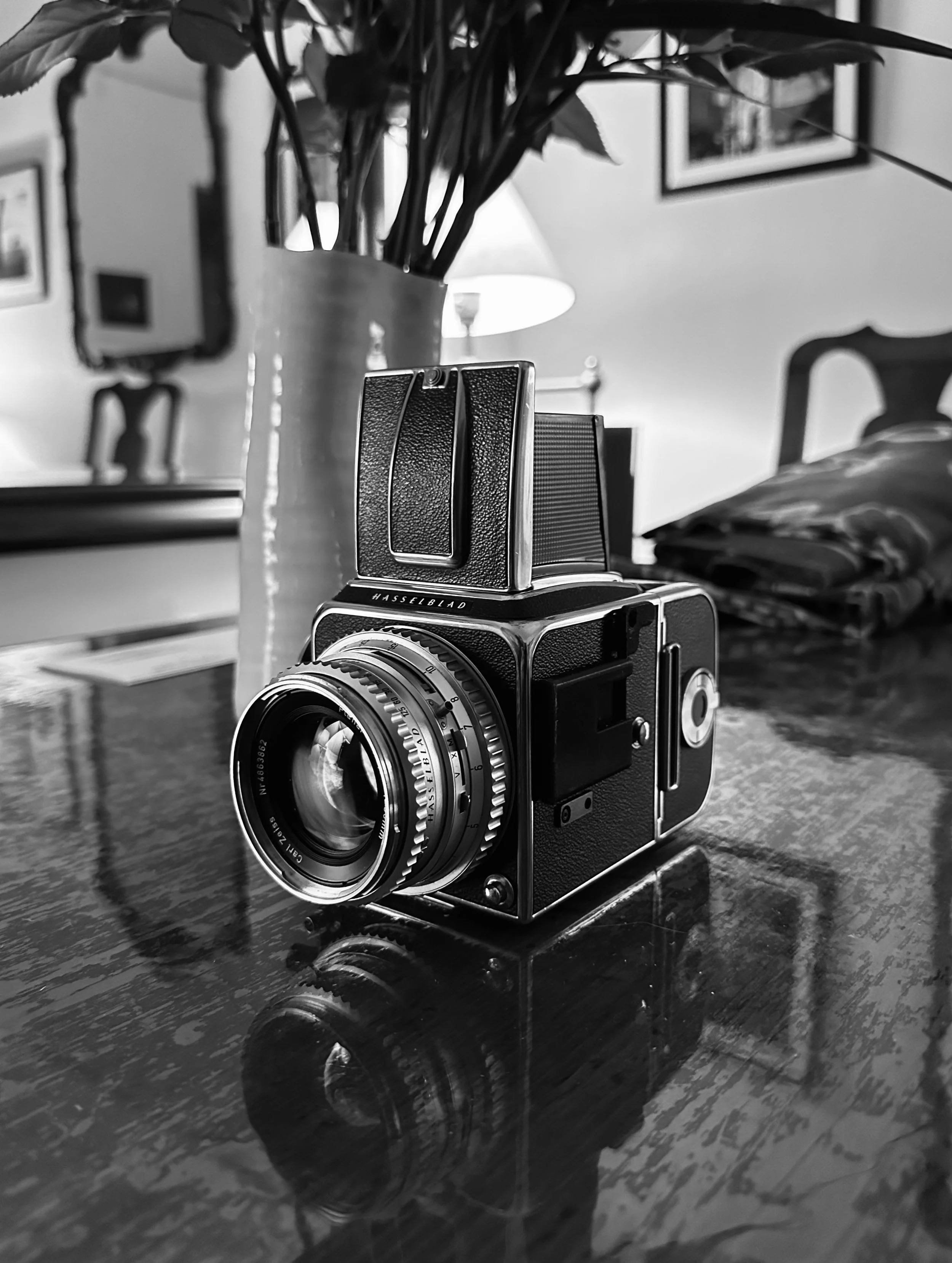
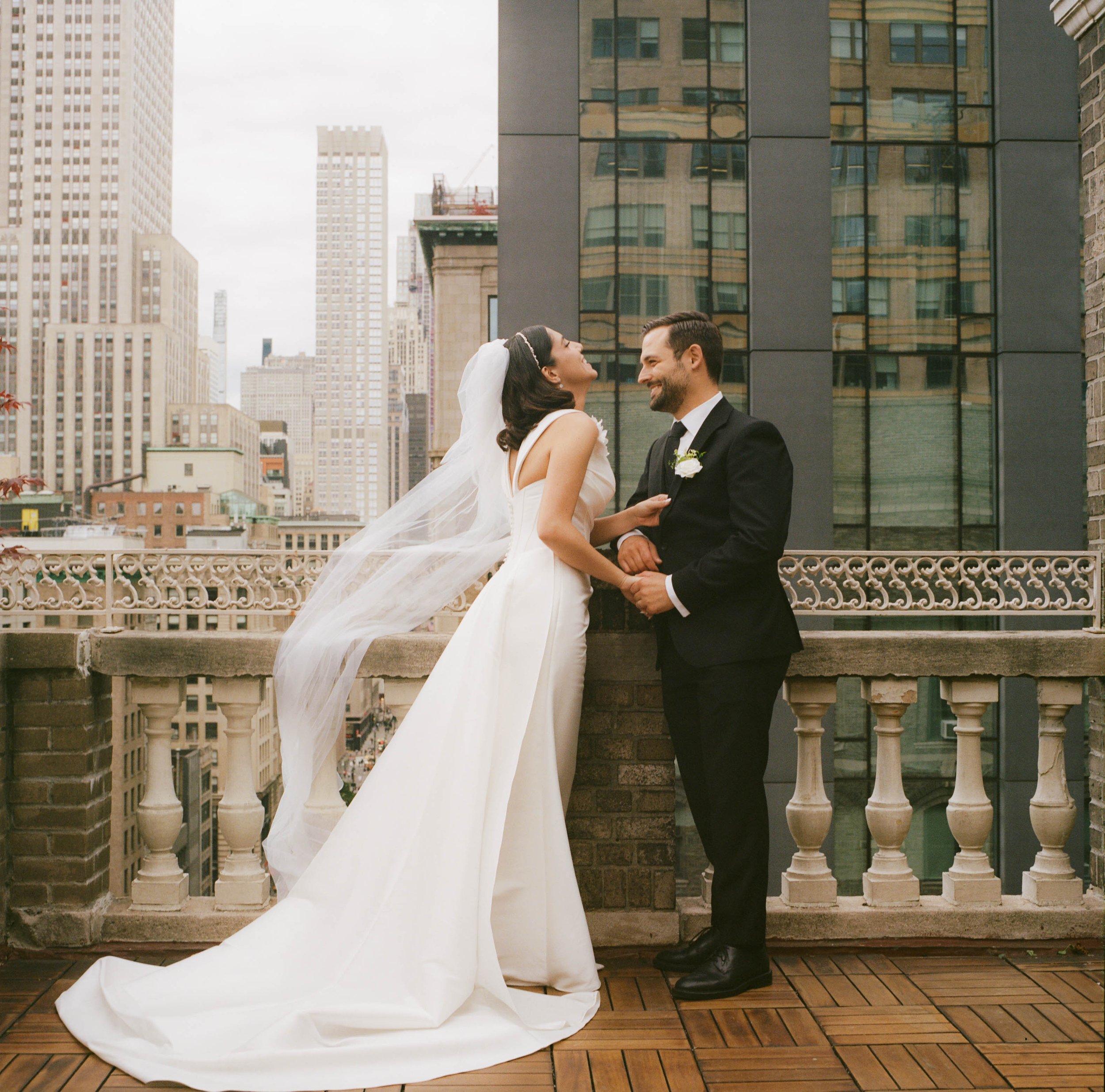
One of my most prized cameras: my Hasselblad 500c
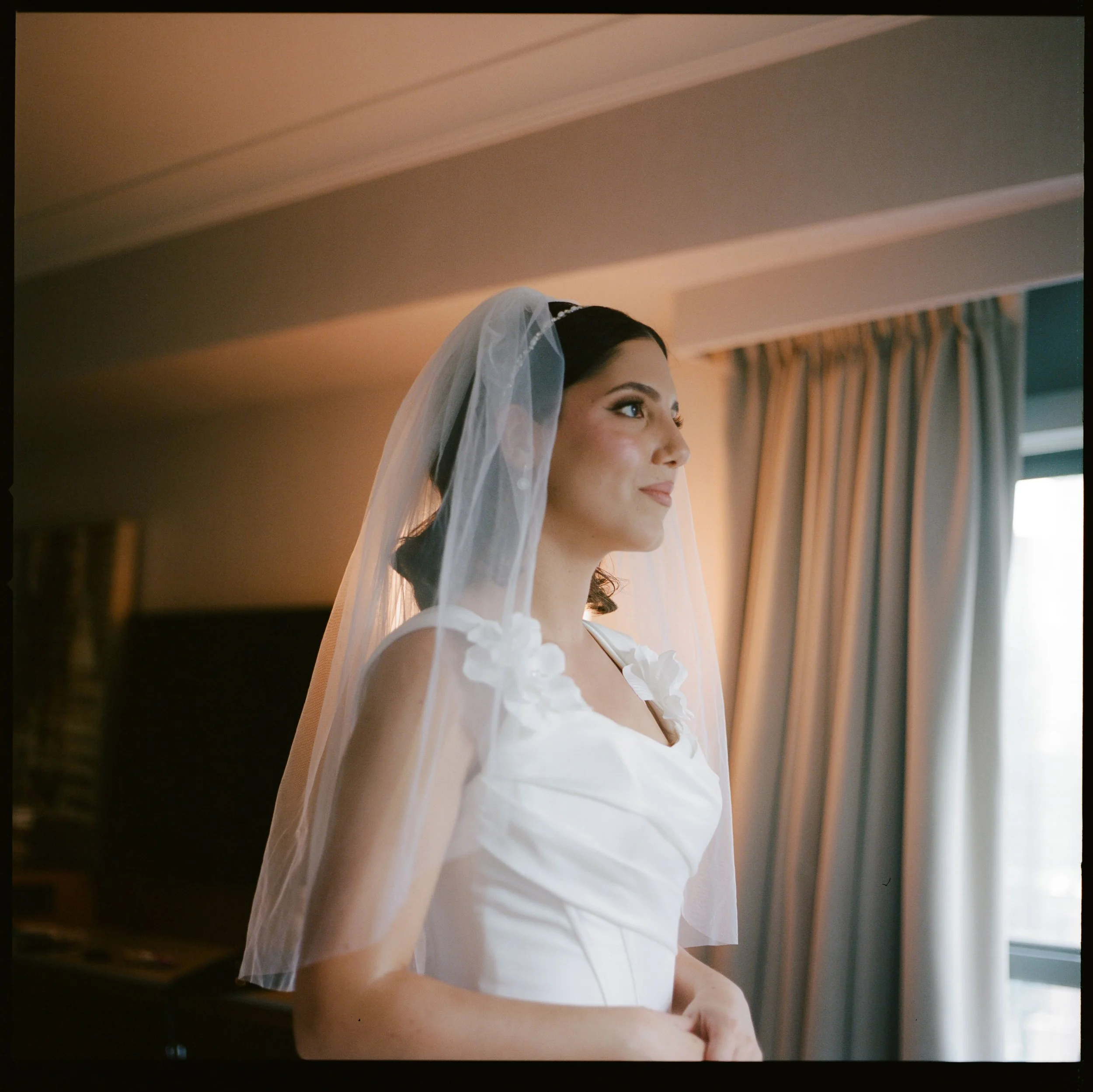
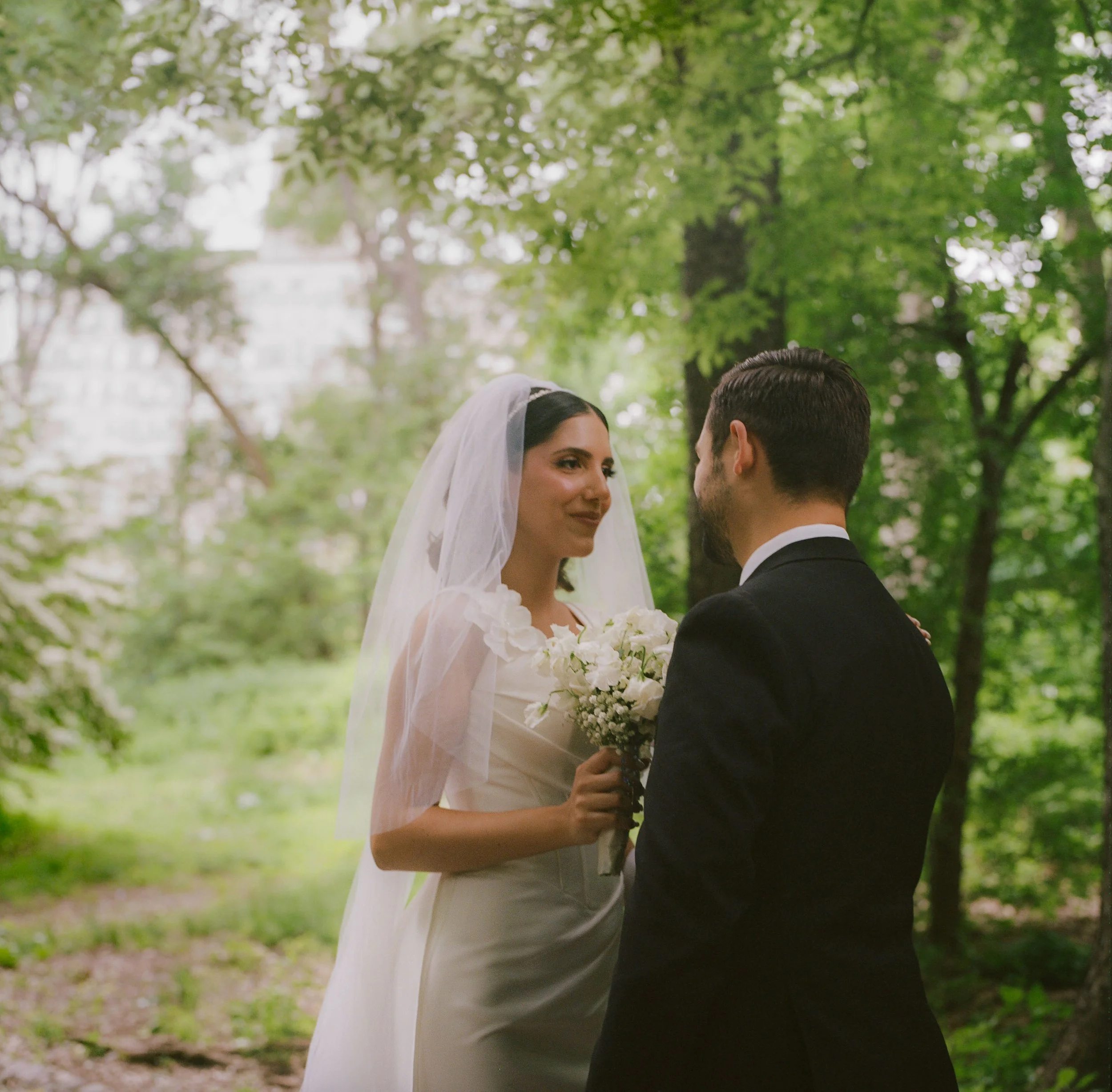
A favorite of mine for shooting beautiful bride and groom portraits!
Film is known for:
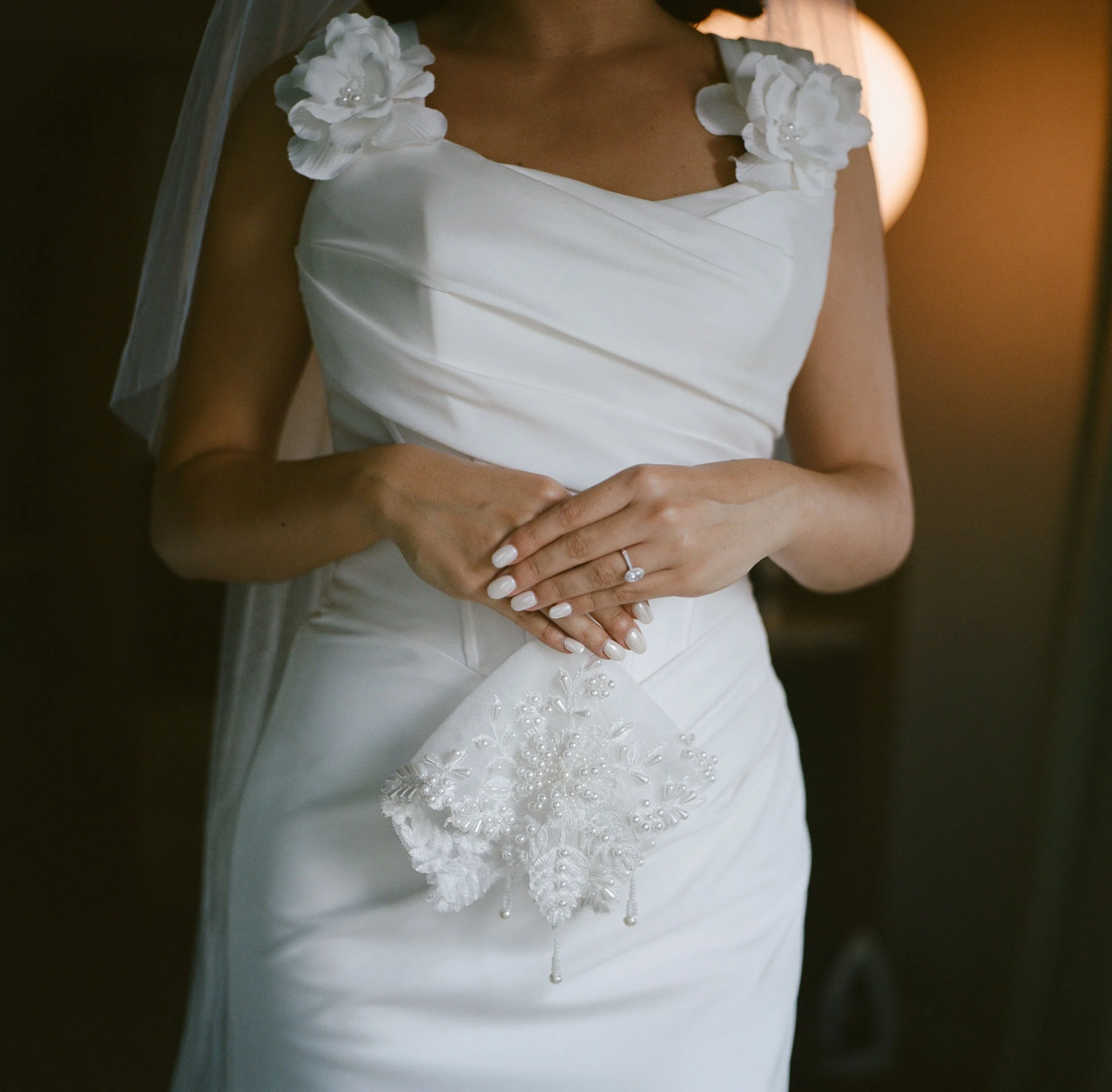
Soft highlights and creamy skin tones
Natural color and beautiful grain
A timeless, nostalgic, almost cinematic feel
Because film has a finite number of frames, photographers tend to shoot it more slowly and thoughtfully — which can feel really grounding on a wedding day.
When it comes to weddings, photographers typically use two main types of film: 35mm and 120 (medium format). Both are beautiful — just different.
35mm Film
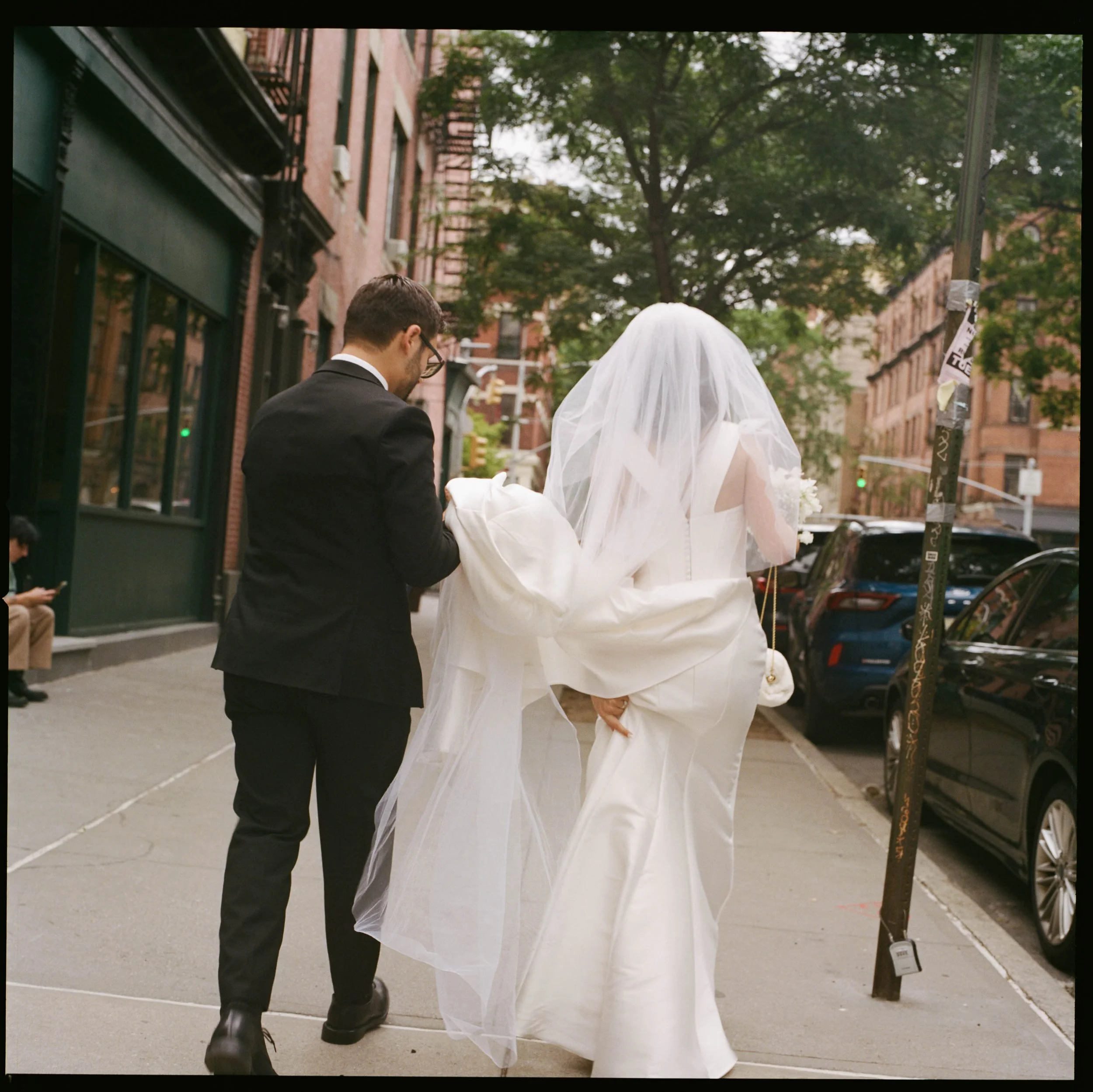
35mm film is the most common and versatile type of film used at weddings.
It’s known for:
A classic, slightly grainier look
A documentary, candid feel
Flexibility in fast-moving moments
Lighter cameras that are easier to move with
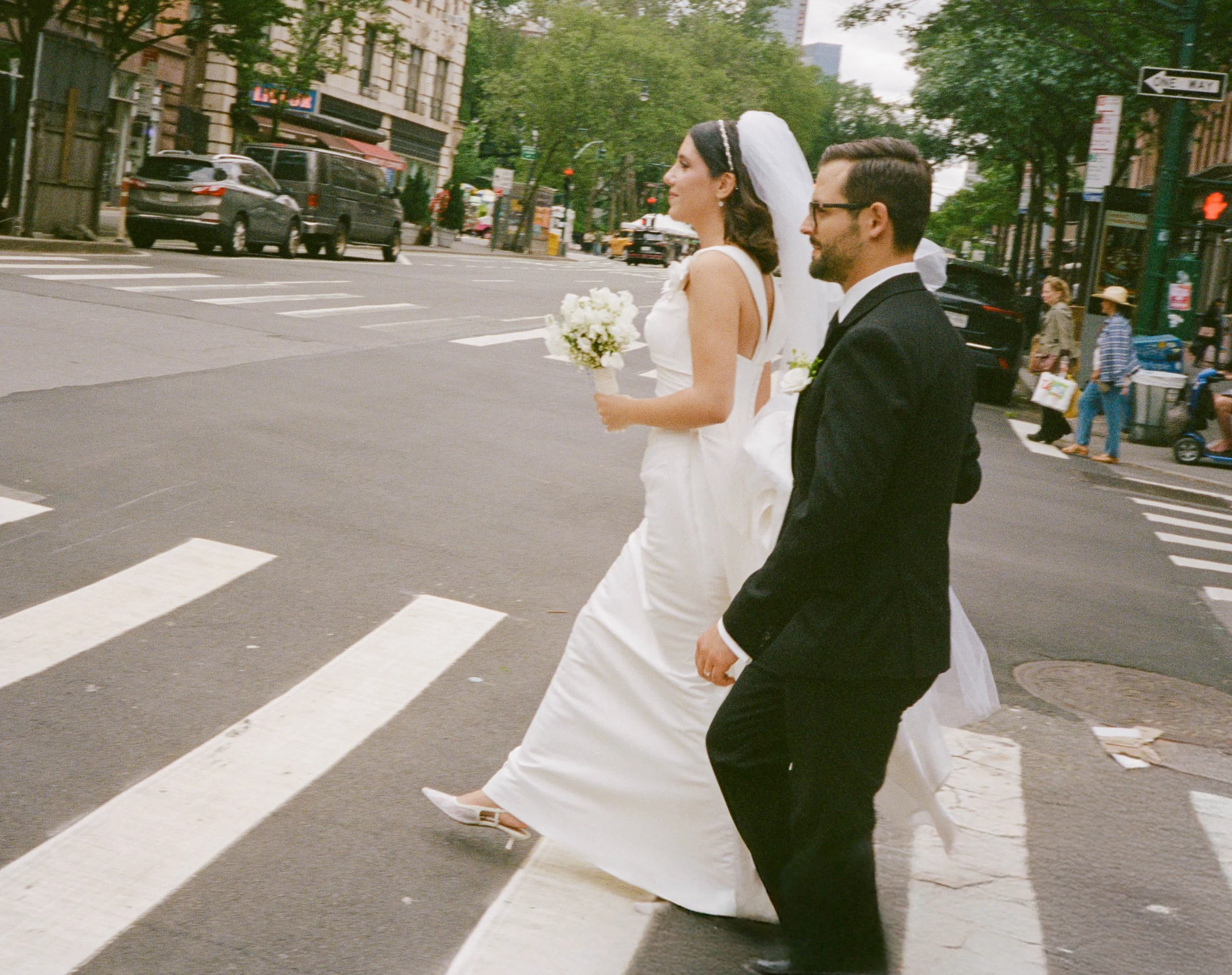
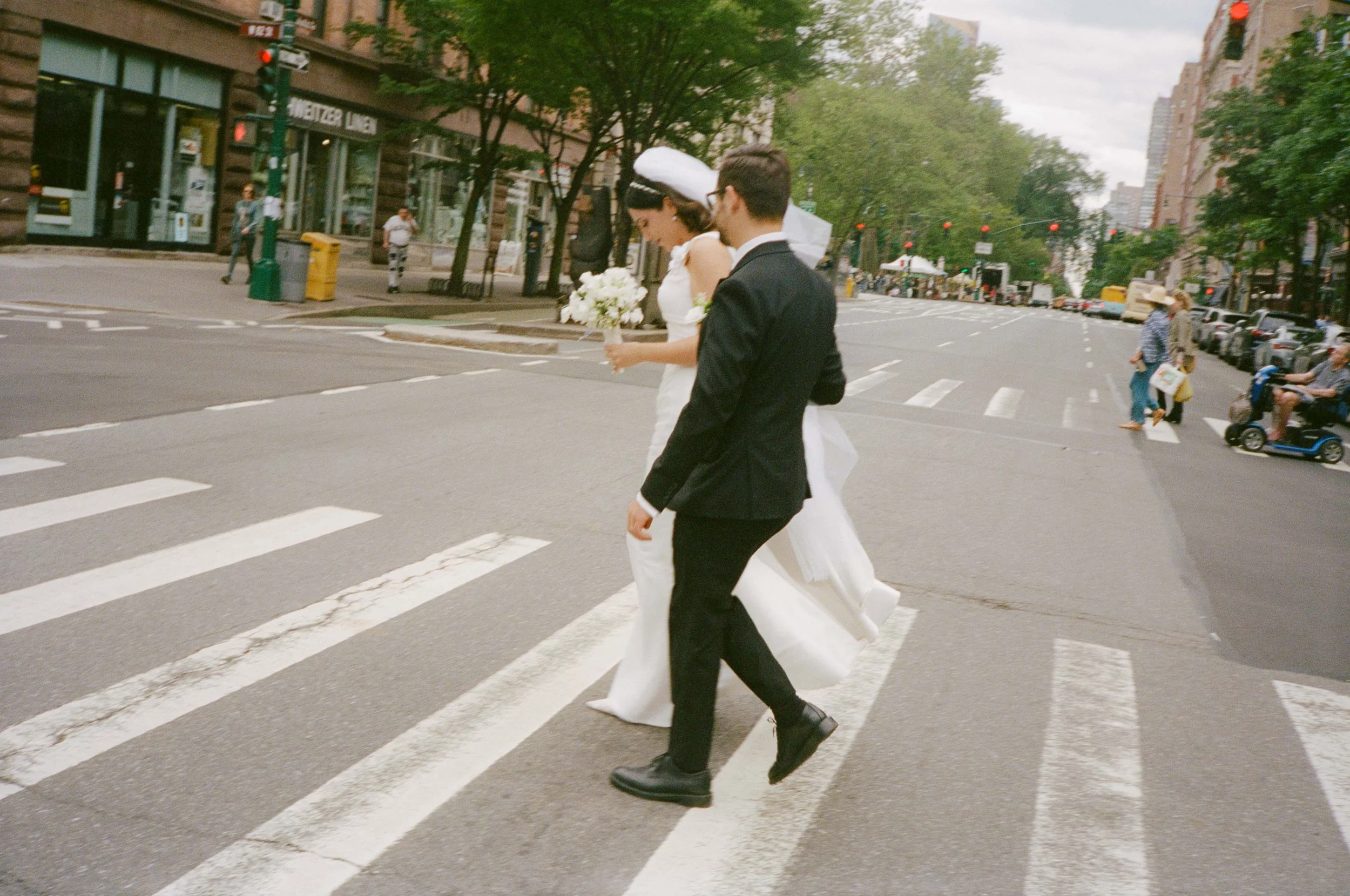
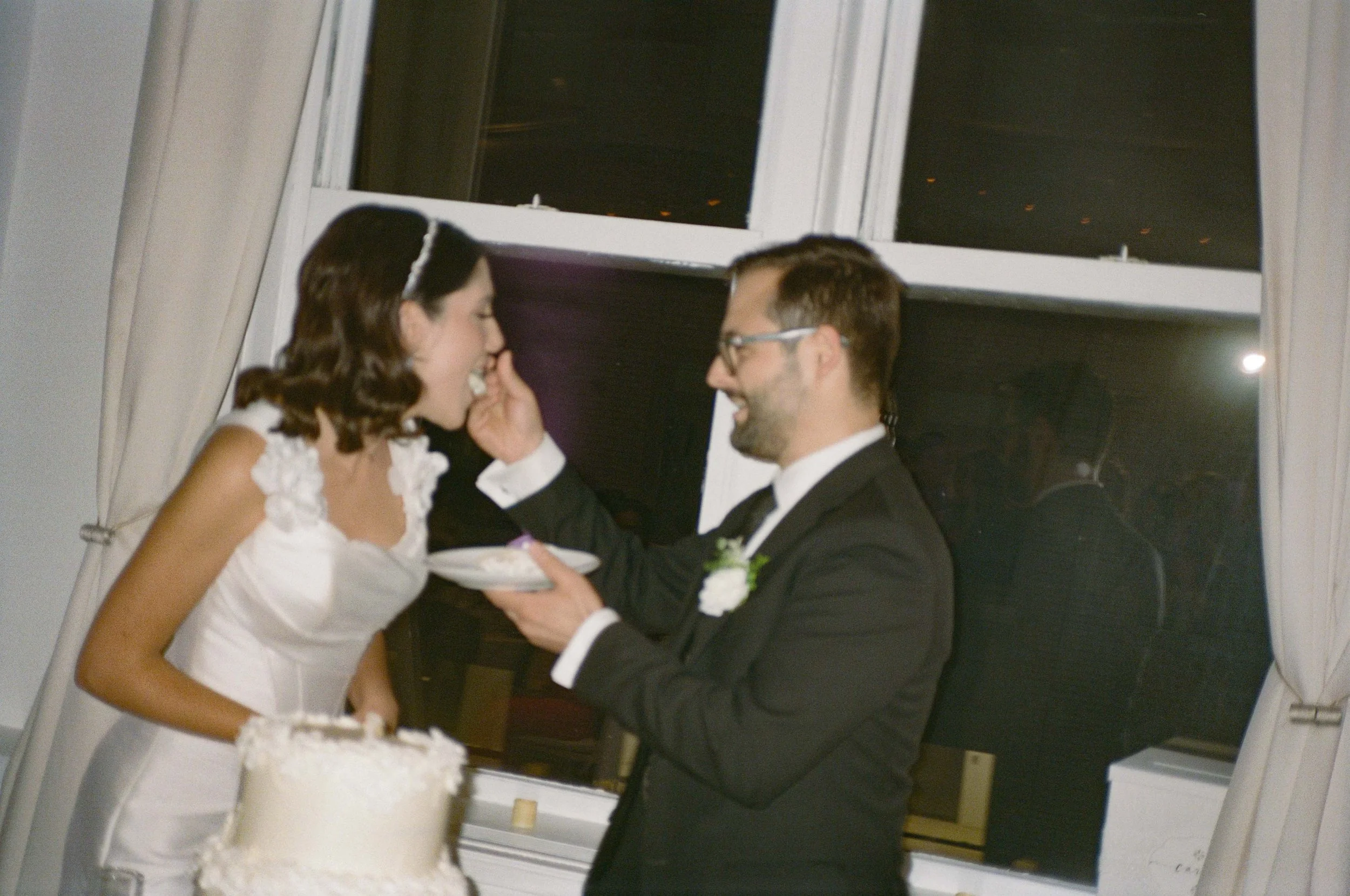
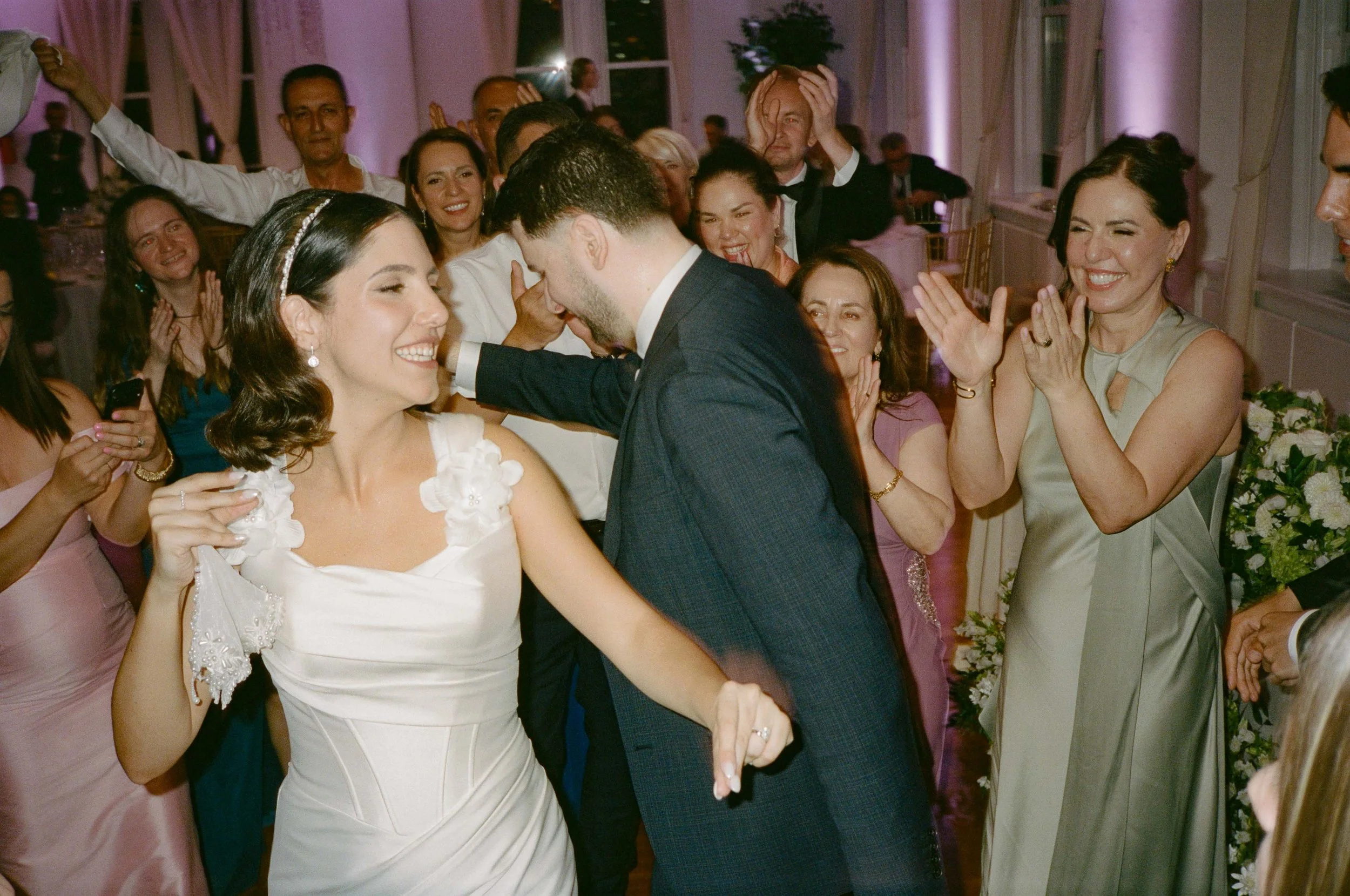
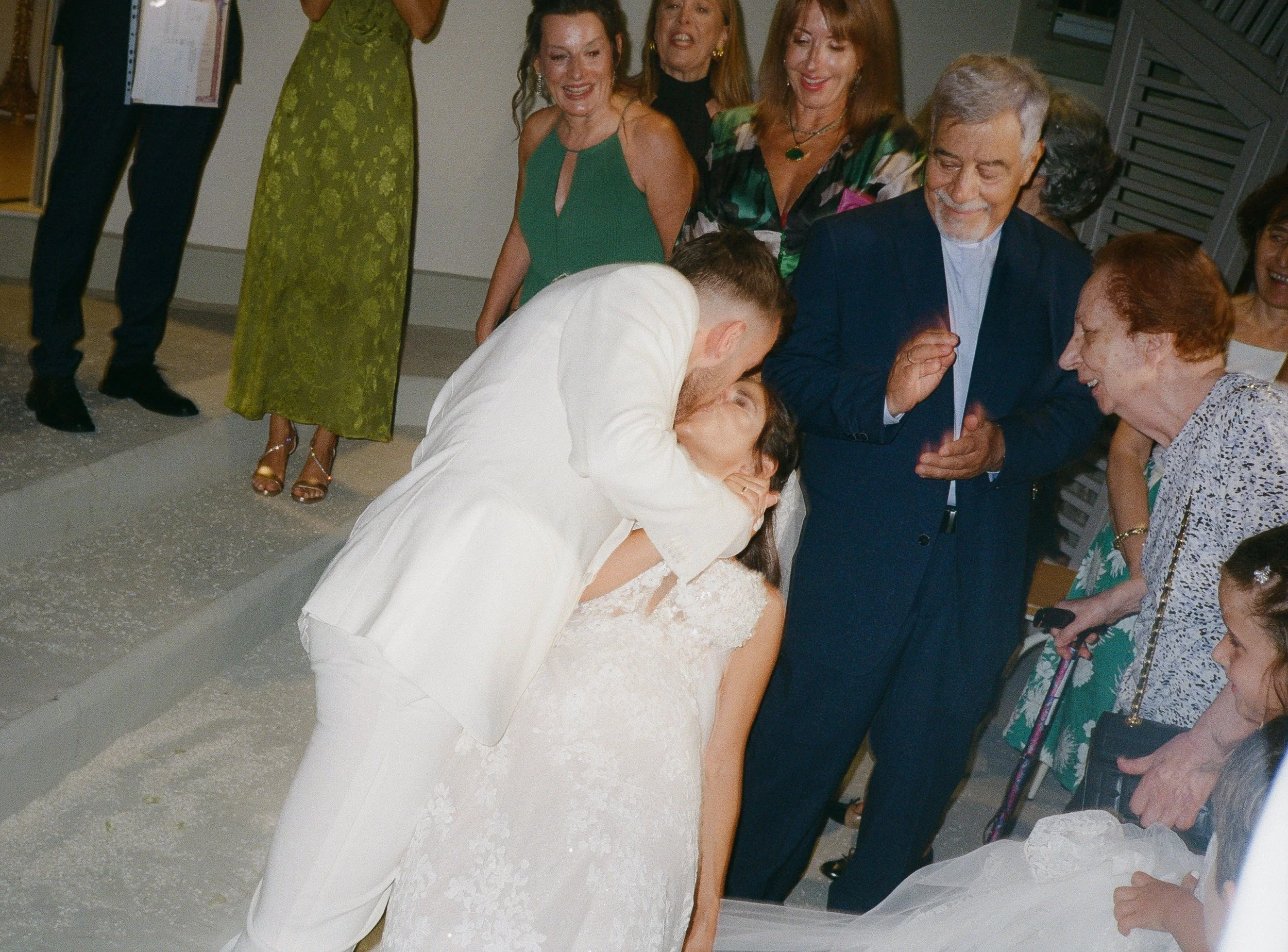
35mm film shines during real, unposed moments — walking down the aisle, hugs, laughter, in-between interactions — and feels very nostalgic and true-to-life.
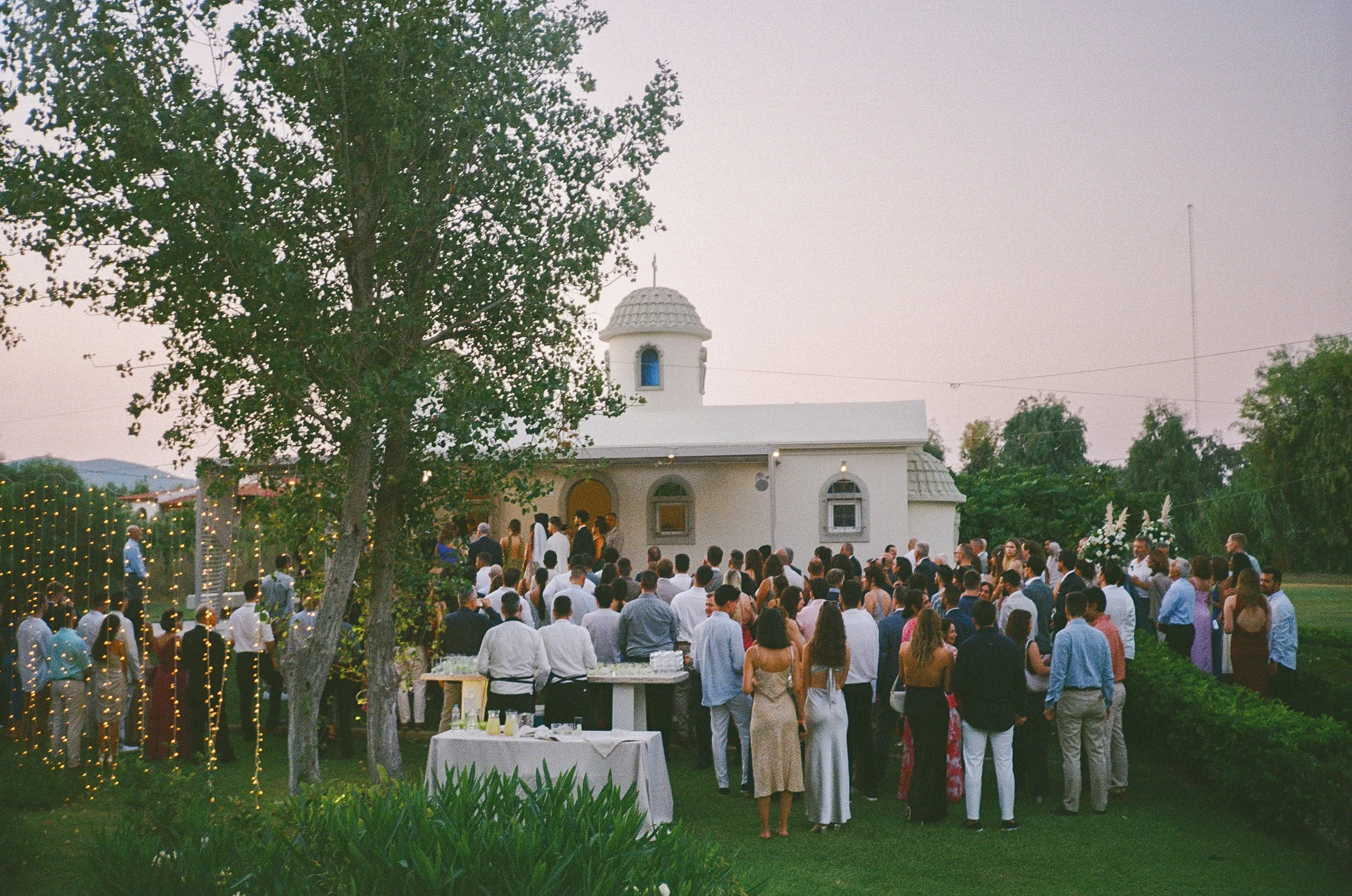
A wide ceremony shot taken on my Pentax K1000
120 Film (Medium Format)
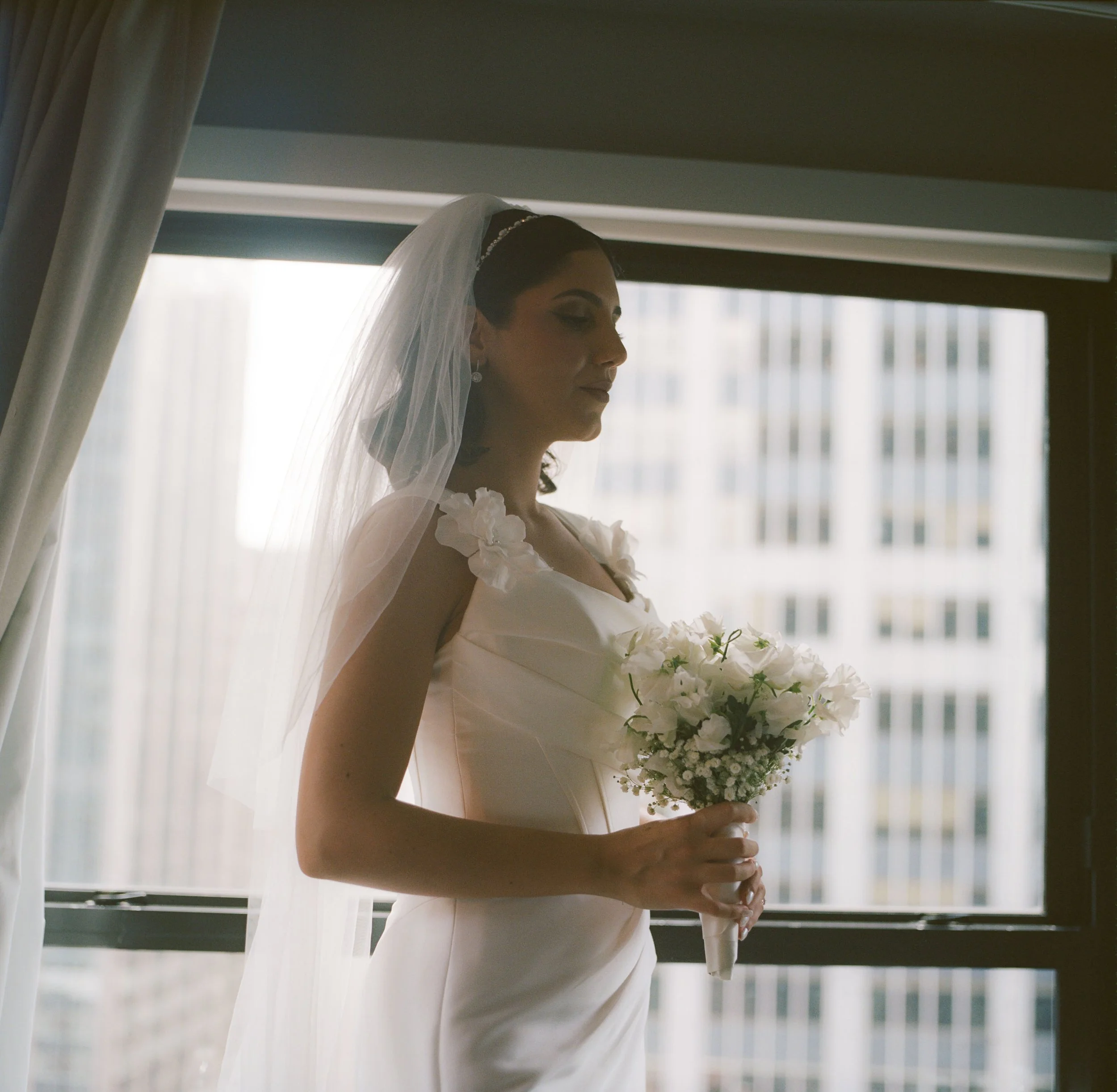
120 film (often called medium format) is a larger film size that creates more detail and a softer, more refined look.
It’s known for:
Creamy skin tones
Shallower depth of field
A smoother, more polished feel
A very timeless, editorial look
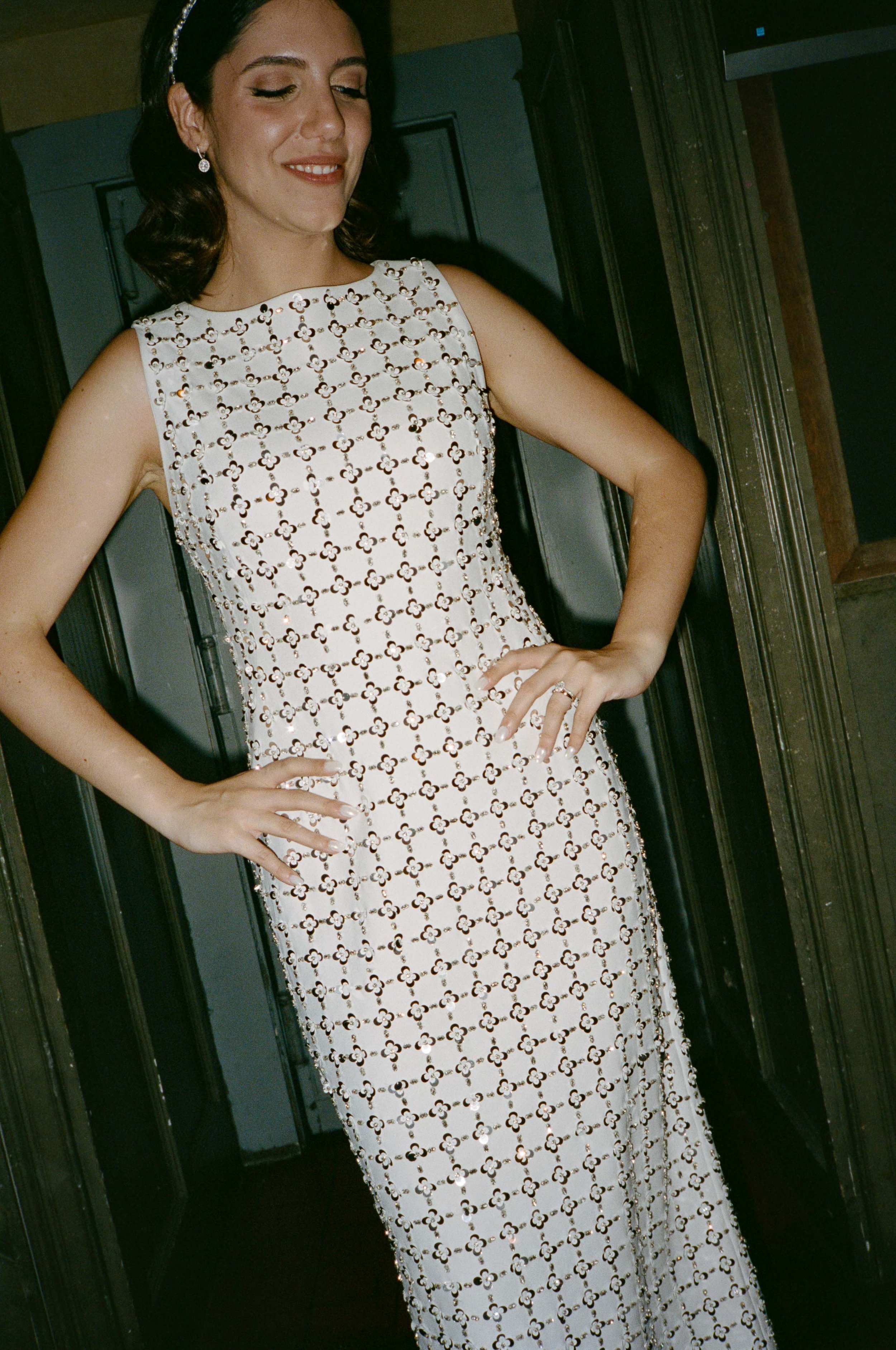
Because medium format cameras are slower and more intentional, they’re often used for portraits, details, and quieter moments where there’s time to pause.
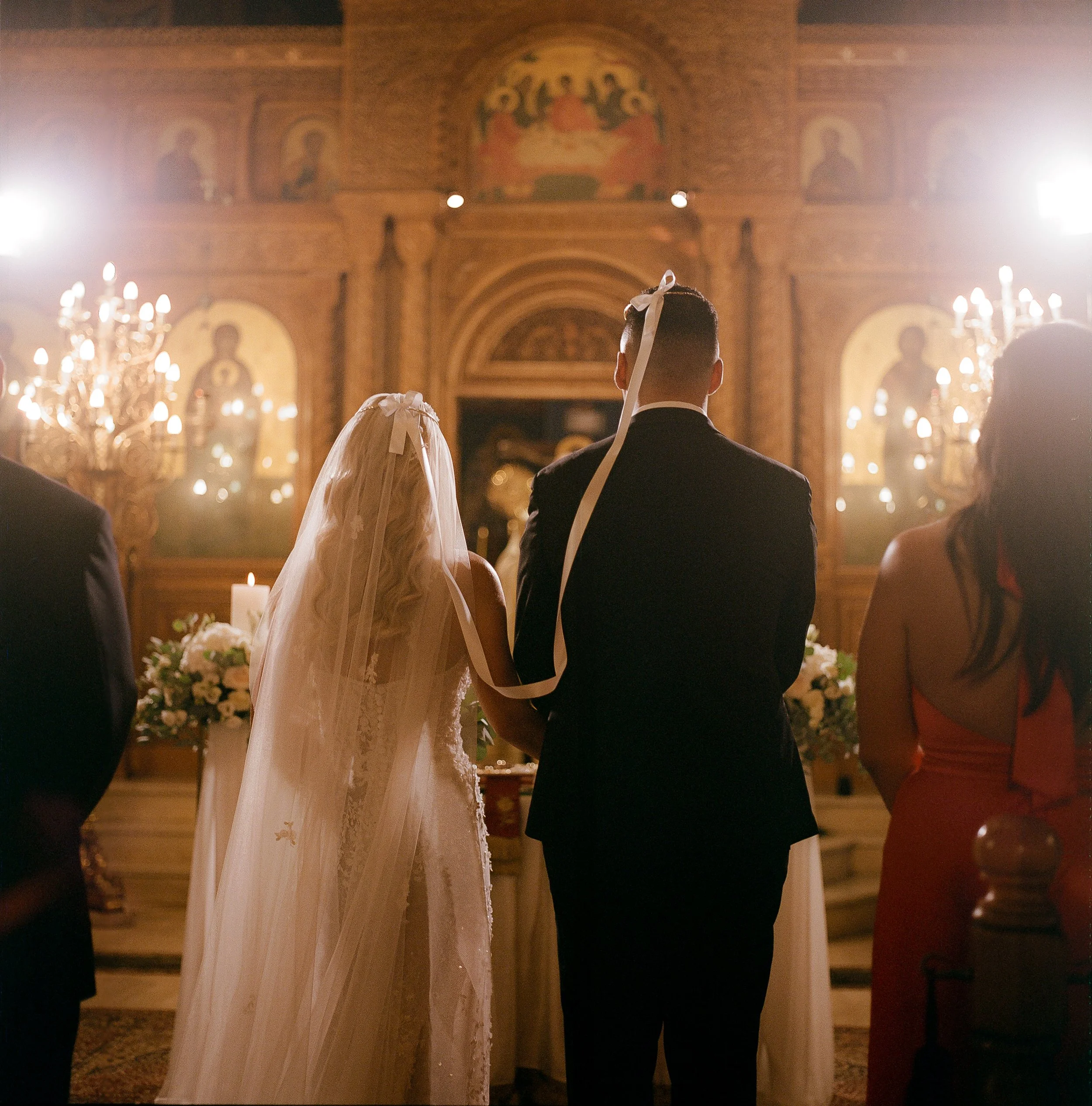
A portrait taken on the Hasselblad 500cm
Both 35mm and 120 film bring something different to a wedding day, and many film photographers use a mix of both to tell a complete story — balancing candid energy with intentional, artistic moments.
What Is Digital Wedding Photography?
Digital photography uses modern camera sensors to capture images instantly. This is what most weddings are photographed on today.
Digital photography is loved for:
Sharp, crisp detail
Flexibility in different lighting conditions
Faster turnaround times
The ability to capture lots of moments quickly
Digital allows photographers to adapt fast — which can be especially helpful during packed timelines, low-light receptions, or unpredictable weather.
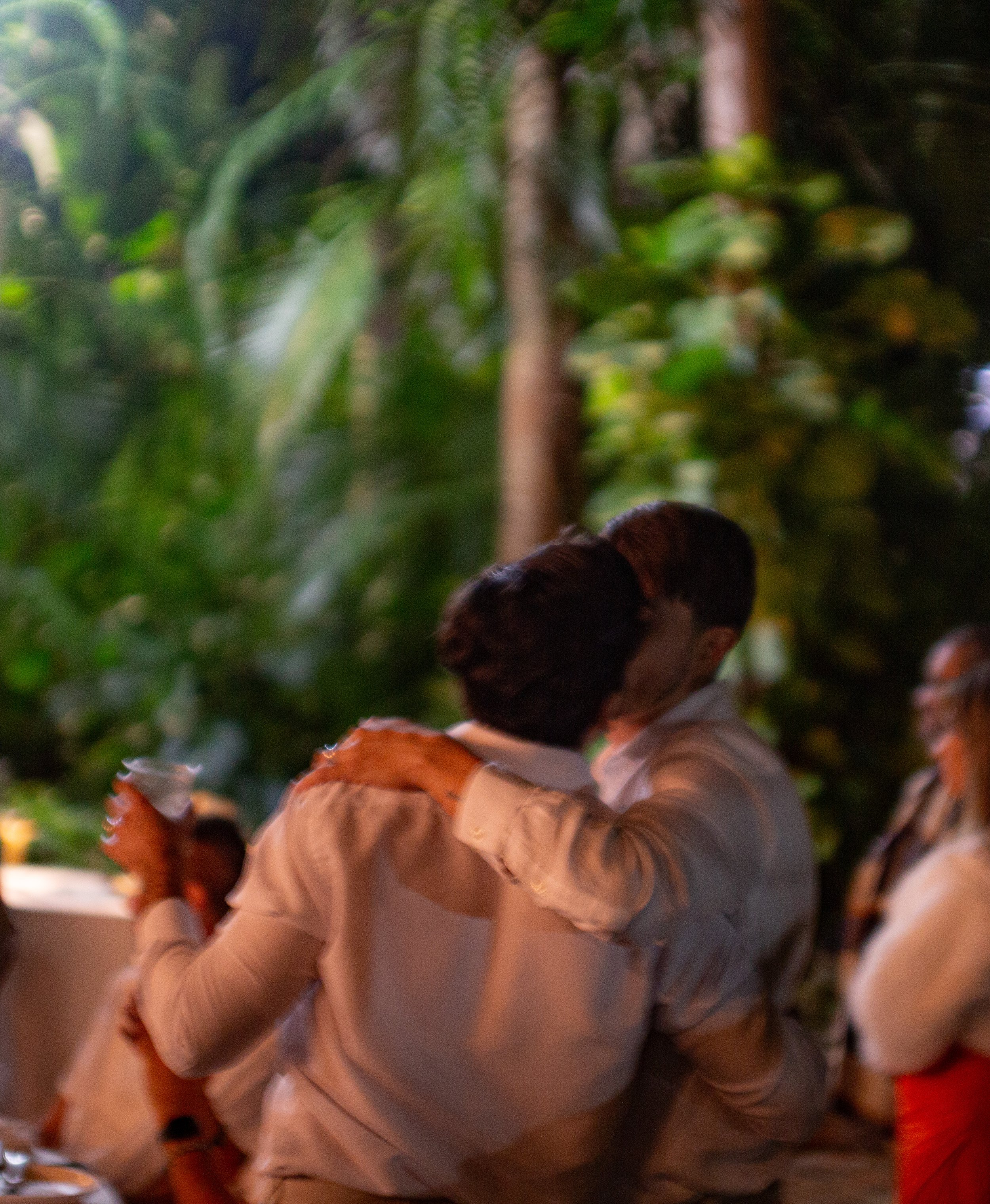
Film vs Digital Wedding Photography: The Key Differences
Look & Feel
Film: Soft, romantic, timeless, painterly
Digital: Clean, crisp, vibrant, modern
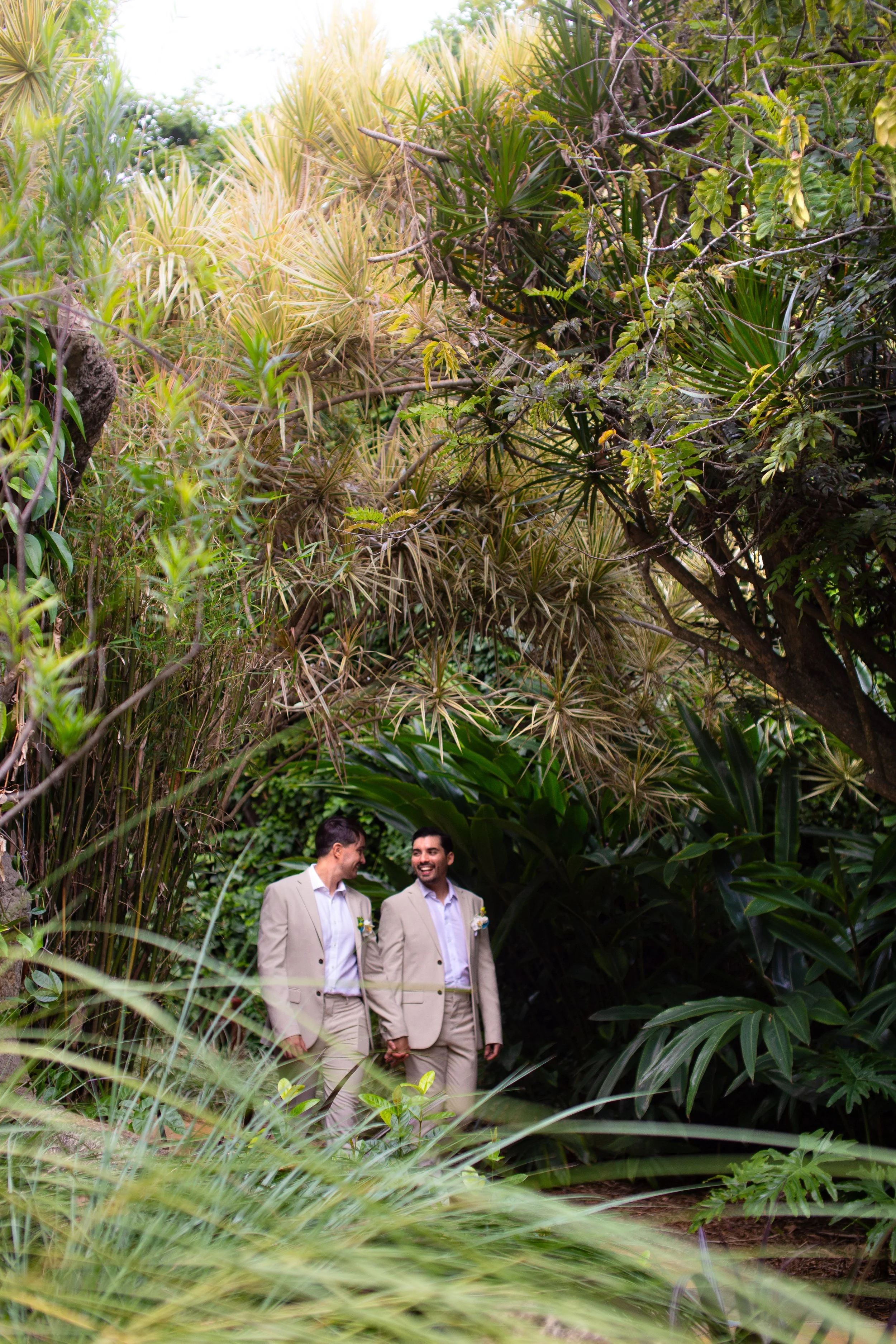
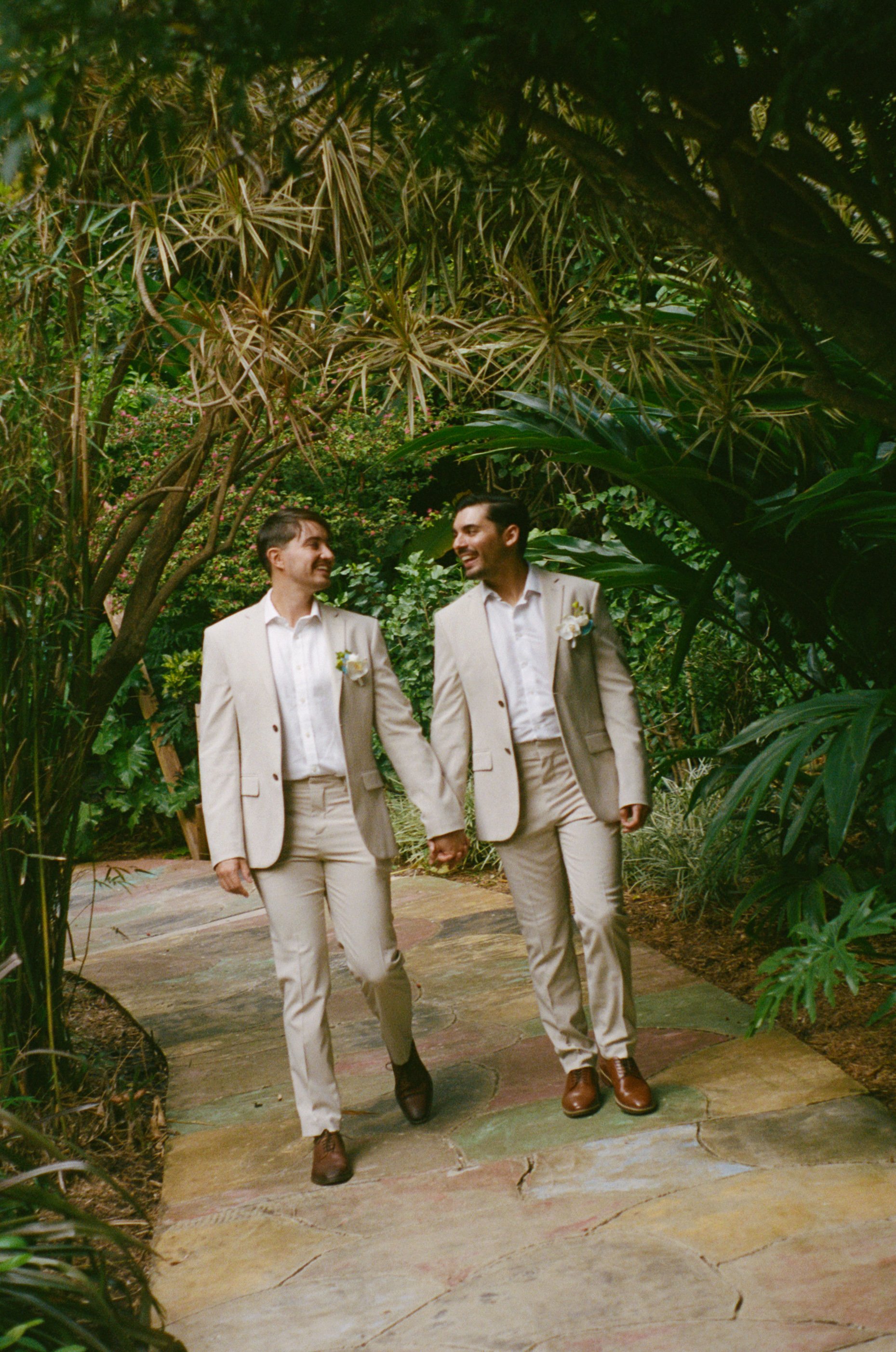
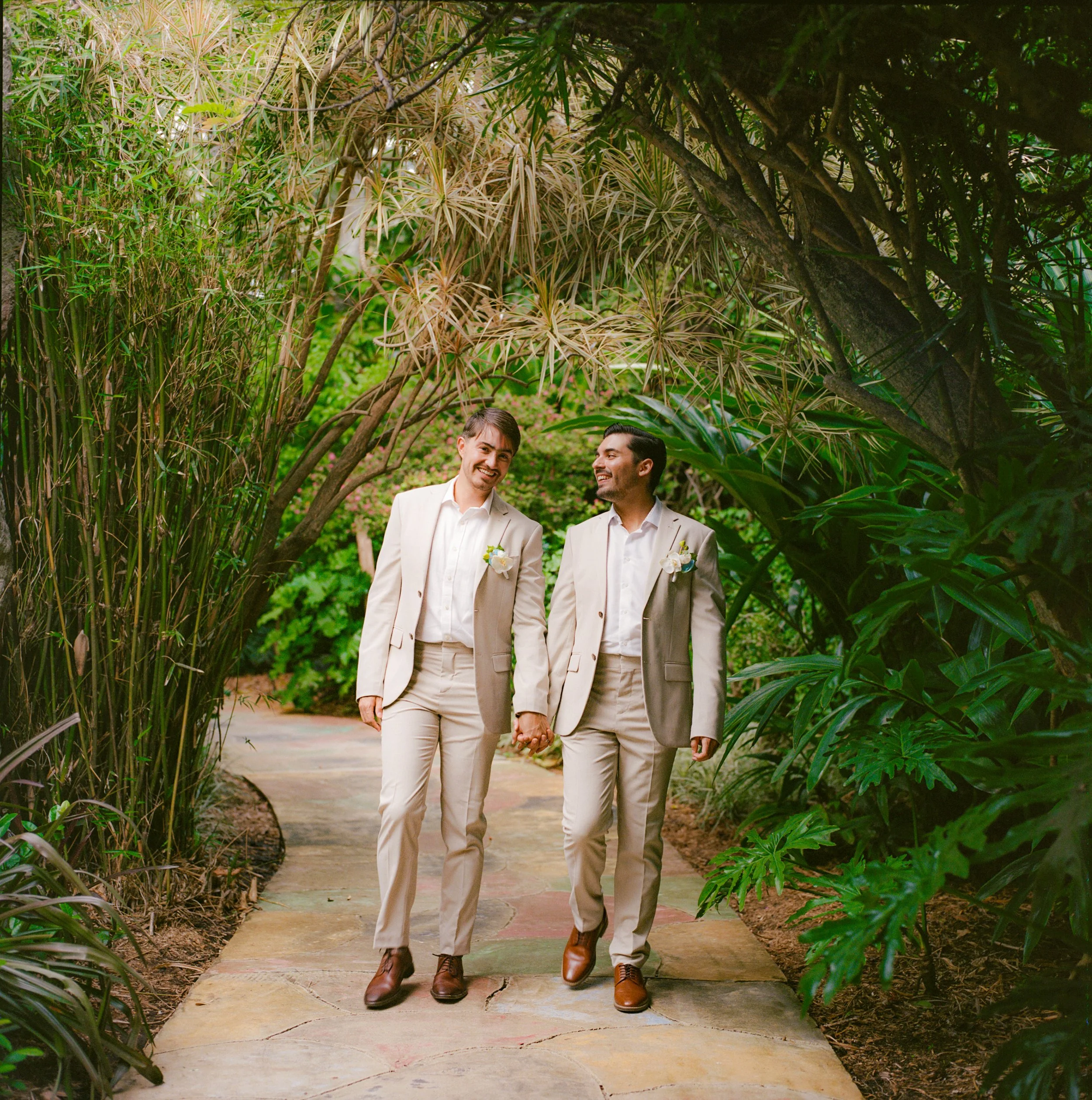
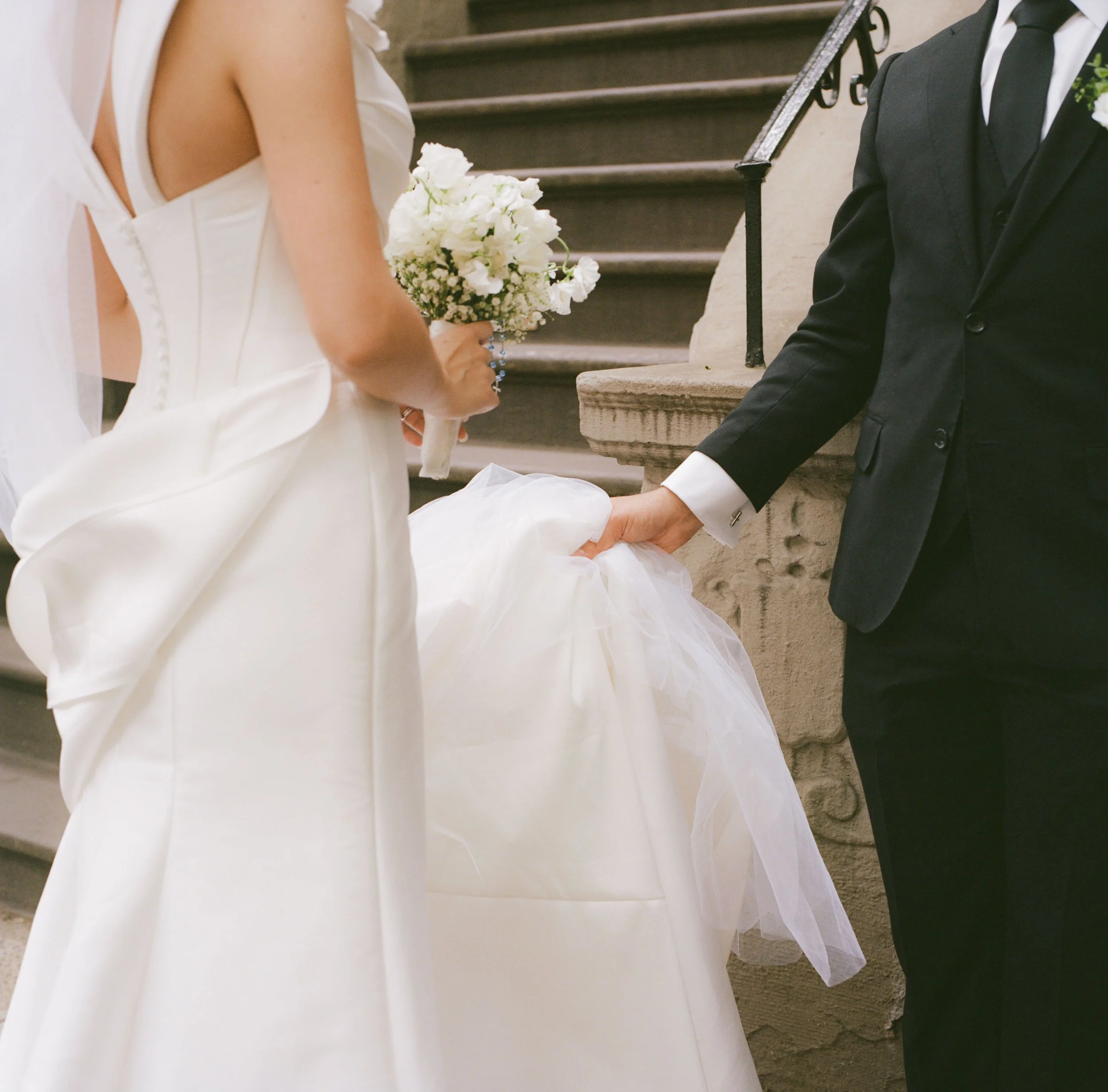
A comparison between digital, pictured first, 35mm, pictured second, and 120mm, pictured
Cost Differences
Film photography is often more expensive — and here’s why:
Cost of film rolls
Film developing and scanning
Extra time and expertise required
Digital doesn’t require physical materials, which keeps costs lower and turnaround times faster.
Shooting Style
Film: Slower, more intentional, fewer images
Digital: Faster-paced, higher volume of images
Film photographers often step in when it matters most, while digital excels at capturing everything unfolding in real time.
Hybrid Wedding Photography: The Best of Both Worlds
Many modern wedding photographers (myself included!) offer hybrid wedding photography, meaning they shoot with both film and digital.
This approach gives you:
The timeless, emotive beauty of film
The reliability and coverage of digital
A gallery that feels both nostalgic and complete
Hybrid coverage is especially popular for couples who love the romance of film but don’t want to sacrifice documenting every moment.
How to Choose What’s Right for You
When deciding between film vs digital wedding photography, ask yourself:
Do I love nostalgic, soft, timeless imagery?
Do I want a documentary-style record of the entire day?
Is my wedding mostly outdoors or indoors?
Do I care more about feeling or precision?
There’s no “better” choice — only what feels right for you.
A Truth Most Couples Don’t Hear
The photographer matters more than the medium.
A skilled photographer understands light, emotion, timing, and storytelling — whether they’re shooting film, digital, or both. Tools matter, but vision matters more.
Final Thoughts: Film vs Digital Wedding Photography
Film and digital photography each bring something beautiful to a wedding day. One isn’t better — they’re just different ways of telling the same story.
If you’re drawn to warmth, nostalgia, and artistry, film might steal your heart. If you love clarity, flexibility, and full-day documentation, digital might feel like home. And if you want both? Hybrid coverage exists for a reason. 🤍
If you’re still unsure, I’m always happy to talk through what would work best for your day, your timeline, and your vision.
